
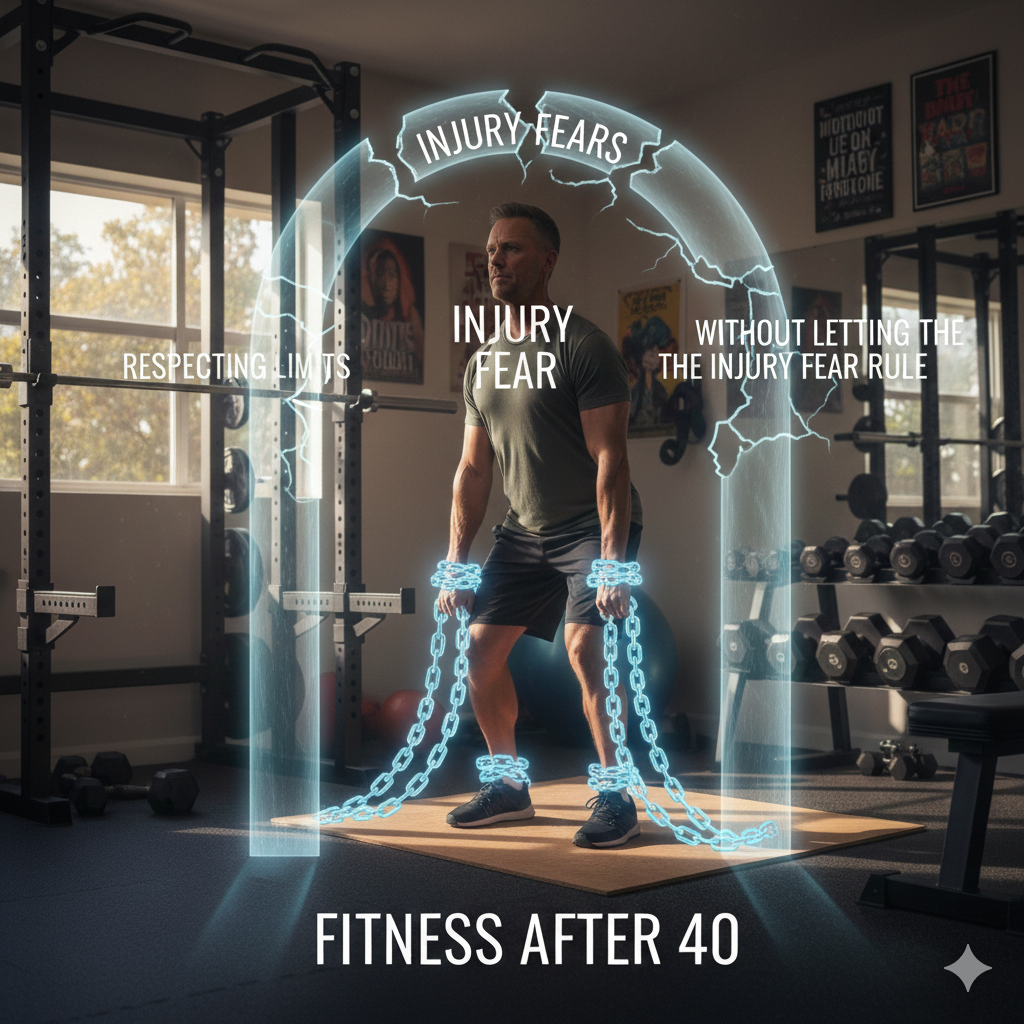
You’re working on your fitness after 40, but progress seems to have stalled. Is it truly your body’s physical limitations, or is your mind convincing you that you’ve hit a dead end? Injury fears after 40 are valid, and the concern about setbacks is understandable. Yet when that fear compels you to play too defensively, it can become a bigger obstacle than the injury itself.
When Over-Caution Turns into Avoidance
Avoiding injuries after 40 is important, but overthinking often creates a mental block. Being overly cautious can quietly turn into avoidance:
- A runner skips jumps for fear of hurting the knees.
- A gym‑goer never adds weight or reps.
- A fit person avoids friendly football or badminton despite being capable.
In reality, steering clear of intensity doesn’t protect you – it stalls your progress.
Why Stimulus Matters
Fitness after 40 isn’t just about maintaining; it’s more about slowing down age‑related decline. Recovery and rehabilitation do take longer, and setbacks can feel heavier. That’s why caution is natural. But being overly cautious can stall progress just as much as an actual injury.
Your body thrives on stimulus:
- Muscles strengthen when challenged.
- Bones stay dense under load.
- Joints remain mobile when used.
Avoiding these challenges out of fear can accelerate the very decline you’re trying to prevent.

In this post, we’ll explore:
- Why injury fears after 40 are valid.
- How they shape your fitness journey.
- Most importantly, how to strike the right balance between caution and progression.
Injury Fears After 40 Are Valid – Let’s Not Dismiss Them
Your muscle mass naturally declines after 40, and hormonal changes – such as reduced testosterone, estrogen shifts, and lower growth hormone – can affect recovery, energy, and strength. Nutrient deficiencies, like lower vitamin D or calcium, may also impact bone health and joint resilience. These biological realities make injury fears after 40 understandable.
Mindset plays a role too. Not everyone has the confidence or a support system to push past their worries. Seeing peers who continue to train boldly can be inspiring, but it can also highlight your own hesitation. Without guidance, it’s easy to let fear dictate your choices.
On the flipside, the risks are real. Older adults can injure themselves while pursuing their fitness goals, and recovery and rehabilitation take longer than in their 20s or 30s. A muscle tear or sprained joint can mean weeks – or even months – of being out of action. That downtime doesn’t just affect your workouts; it can disrupt your work, business commitments, and family responsibilities.
This is why the fear of injury after 40 is natural. It’s rooted in both biology and life circumstances. But here’s the key – fear should inform your fitness choices, not dictate them. The goal isn’t to ignore fear, but to use it as a compass for smarter training. Acknowledging the risks allows you to train smarter, but letting fear dominate, can trap you in stagnation.
The Hidden Costs of Over-Caution about Injury Fears After 40
Sometimes, we don’t realize when we’re being overprotective despite being fit. Fear of injury can quietly shape our choices, and before long, it becomes a habit. Some common examples include:
- Runners avoiding jumps or sprints because they worry about knee strain.
- Gym‑goers never adding weight or reps, sticking to the same routine for years.
- Active adults avoiding recreational sports like football, badminton, or tennis, even though they’re otherwise healthy and capable.
At first, these choices may feel safe. But over time, the consequences of injury fears after 40 become clear: stagnation, loss of motivation, and even decline in fitness. Muscles weaken when they aren’t challenged, endurance plateaus, and confidence spirals down. Avoiding intensity doesn’t protect you – it stalls progress and can even accelerate age‑related decline.
Beyond the Physical: Mental and Social Costs
The hidden cost isn’t just physical – it’s mental and social too. When you avoid challenges:
- You lose the sense of achievement that comes from pushing past limits, no matter how small or big.
- You miss out on the joy of variety – playing sports, trying new movements, or testing your strength.
- You risk creating a mindset of fragility, where every activity feels dangerous instead of empowering.
Building Functional Strength That Matters
What truly matters is how you adapt and build functional strength that supports life beyond the gym. Functional strength means being able to carry groceries, climb stairs, play with your kids, or enjoy a weekend game with friends without fear. It’s about training in a way that prepares you for real‑world demands, not just ticking off sets and reps.
Smart Progression – The Middle Ground Approach to Injury Fears After 40
From what we saw above, it’s clear that progress requires challenge. You need to push harder to see better results. But at the same time, pushing too hard when your body isn’t ready can lead to setbacks. The solution lies in the middle ground: smart progression. This is where you create a mindset that respects your limits, but not to the extent that fear rules your mind and body.
Progressive Overload – The Safe Way to Overcome Injury Fears After 40
Overcoming injury fears after 40 doesn’t mean making drastic changes like suddenly lifting too much or running too fast. That’s a recipe for injury if your body crumbles under the pressure of added intensity. Instead, progression should be gradual. Show up consistently, take baby steps if needed, and prepare your body to handle your current intensity with comfort before adding more.
Comfort, however, is not a good long‑term sign in workouts. If training feels too easy, it means your body has adapted and stopped growing. Being “comfortable” is the sure‑shot signal that it’s time to level up. The middle ground is about timing – not too early, not too late. At some stage, you must replace comfort with challenge to keep progressing.
Areas to Focus for Smart Progression
Smart progression isn’t just about suddenly adding weight or reps – it’s about building a foundation that keeps you strong and resilient. Progress may take months or even years, depending on your dedication and workout frequency, but the long‑term payoff is worth it.
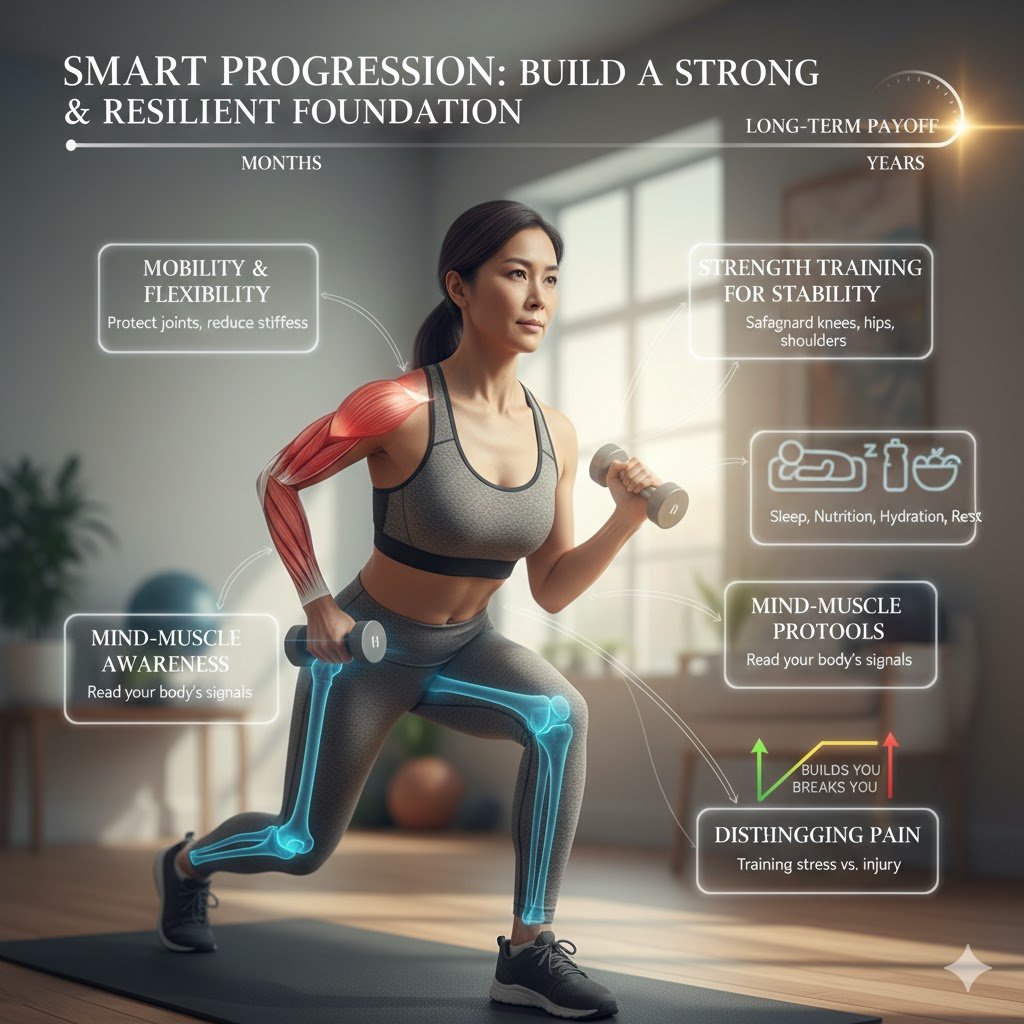
Key areas include:
- Mobility & Flexibility: Protect joints, improve range of motion, and reduce stiffness that often increases with age.
- Strength Training for Stability: Build muscles that safeguard knees, hips, and shoulders, reducing the risk of common injuries.
- Recovery Protocols: Prioritize sleep, nutrition, hydration, and rest days. Recovery is where adaptation happens, especially after 40.
- Mind‑Muscle Awareness: Learn to read your body’s signals -fatigue, soreness, or discomfort – and respond appropriately.
- Distinguishing Pain: Recognize the difference between pain that builds you and pain that breaks you. Learning to separate normal training stress from injury signals is essential for safe progression.
Why Smart Progression Matters
Without progression, the body doesn’t just stagnate – it declines. Muscles weaken, bones lose density, and endurance fades. Fitness after 40 comes from smart progression, not reckless risk‑taking. Taking the middle ground means preparing your body to do something new, which also keeps you motivated and gives you the mental strength to embrace challenges. It helps you ease out safely from the injury fears after 40.
You don’t have to push recklessly. Your body will naturally ask for more intensity once it adapts to your current level. The key is to listen carefully, respect those signals, and respond with gradual, intelligent increases. That’s how you stay safe, strong, and inspired.
Breaking the Mental Block to Overcome Injury Fears After 40
Overthinking about injury fears after 40 often leads to action paralysis. Your mind becomes haunted by endless “what if” scenarios: What if I get injured? What if I can’t recover? What if I’m not strong enough? This constant loop of doubts can stop you from taking the very steps that would make you stronger.
The key is to reframe fear as a signal, not a stop sign. Fear doesn’t mean you should quit; it means you should train smarter. Respect your body, but don’t underestimate it. You are stronger than you think, and often more capable than your fears allow you to believe.
Consistency is the antidote to fear. Nothing builds confidence like showing up day after day. Keep track of your workouts, celebrate small wins, and find ways to take your training to a new level – one step at a time. Over weeks and months, these small steps compound into big changes, proving that progress is possible even after 40.
Consistency Beats Caution – Show Up, Level Up, Become Stronger
It’s also important to recognize that fitness isn’t just about more sets and reps – it’s about expanding your sense of capability. When you stay consistent, you’ll discover you can do far more than your workout routine, like playing sports with friends, hiking long distances, or simply moving through daily life with more energy and ease. The injury fears after 40 will eventually fade. It’s all about regular practice and the lifestyle you choose.
A relatable metaphor: driving too slowly on a highway can be just as dangerous as over‑speeding. In fitness, moving too cautiously can stall your progress and even create risks – like weaker muscles, reduced mobility, and loss of confidence. The safest path is the middle lane: steady, consistent, and forward‑moving.
Relatable Stories and Examples of Beating Injury Fears After 40
You will see countless examples of people achieving new levels of fitness at later stages in their life. These stories prove that balance, consistency, and smart progression lead to resilience and renewed progress. They are real‑life proofs that defy the injury fears after 40 and show us that progress is possible if you have the ability to keep pushing your body on a consistent basis.
🏃♂️ The 49‑Year‑Old Accountant Who Ran a 10K
After years of sedentary work, a 49‑year‑old accountant decided to reclaim his health. He didn’t start with marathons – he began with daily walks, then short jogs, gradually building endurance. Over months, those small daily wins – like adding one extra rep or hitting a step target – compounded into big achievements. Eventually, he ran a full 10K, proving that consistent effort and smart progression can transform fitness even in midlife.
💪 Tina Smiley, 47, Balancing Motherhood and Strength Training
Tina Smiley, featured in Fit Women Over 40, is a mother of three who steadily increased her strength training loads while managing family responsibilities. She didn’t chase drastic changes; instead, she focused on incremental progress – adding small weight increases, refining her form, and staying consistent. Her story shows that even with a busy life, smart progression builds lasting fitness and confidence.
🚣 Pam Boteler, Sprint Canoe Racing Legend in Her 50s
Pam Boteler continued competing in sprint canoe racing – a high‑intensity sport – well into her 50s. Her success demonstrates that age doesn’t have to limit performance when training is adapted intelligently. By respecting recovery, focusing on technique, and maintaining discipline, she remained competitive against younger athletes, embodying resilience and longevity in sport.
👟 Older Athletes Redefining Limits
From marathon seniors to trapeze beginners at 78, older adults continue to excel and inspire. These athletes prove that staying active is one of the best ways to defy aging. Their stories highlight that fitness after 40 isn’t about decline – it’s about adaptation, courage, and the willingness to keep challenging yourself. They show that injury fears after 40 don’t have to hold you back when you embrace consistency and smart progression.
🎾 Novak Djokovic – Longevity at the Highest Level
Even though I am a hardcore fan of Rafael Nadal, I have to admit that Novak Djokovic – his greatest rival – is the epitome of longevity. Well into his late 30s, he continues to beat players more than 15 years younger, showing how discipline, recovery, and adaptation can keep you performing at the highest level. His career is a living example of how smart progression and resilience extend peak performance far beyond what most expect.
Thrive Beyond Injury Fears After 40
Fitness after 40 is all about not allowing injury fears after 40 to get the better of us. Yes, we must acknowledge them, but not to the extent of action paralysis. Fitness after 40 is also about adaptation, resilience, and the courage to keep resisting decline. The stories of athletes, everyday individuals, and even my own journey show that progress is possible when you embrace consistency and smart progression.
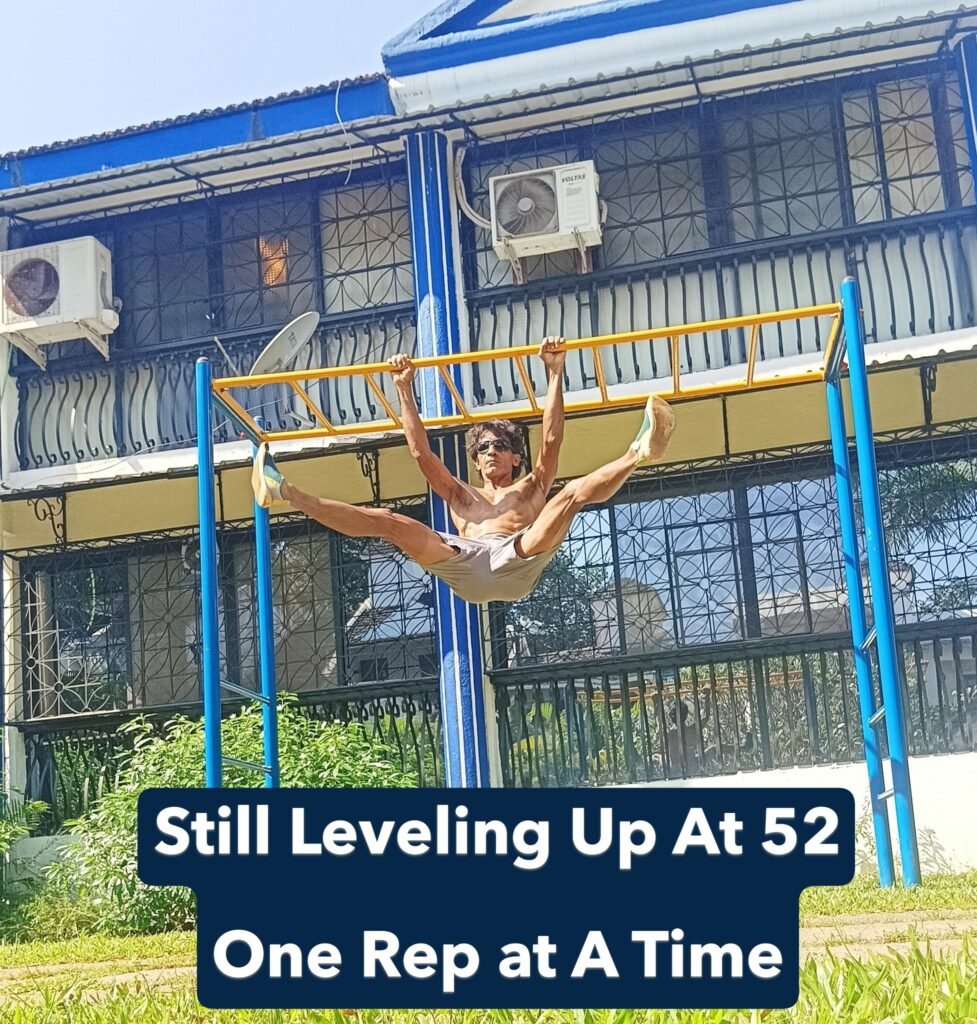
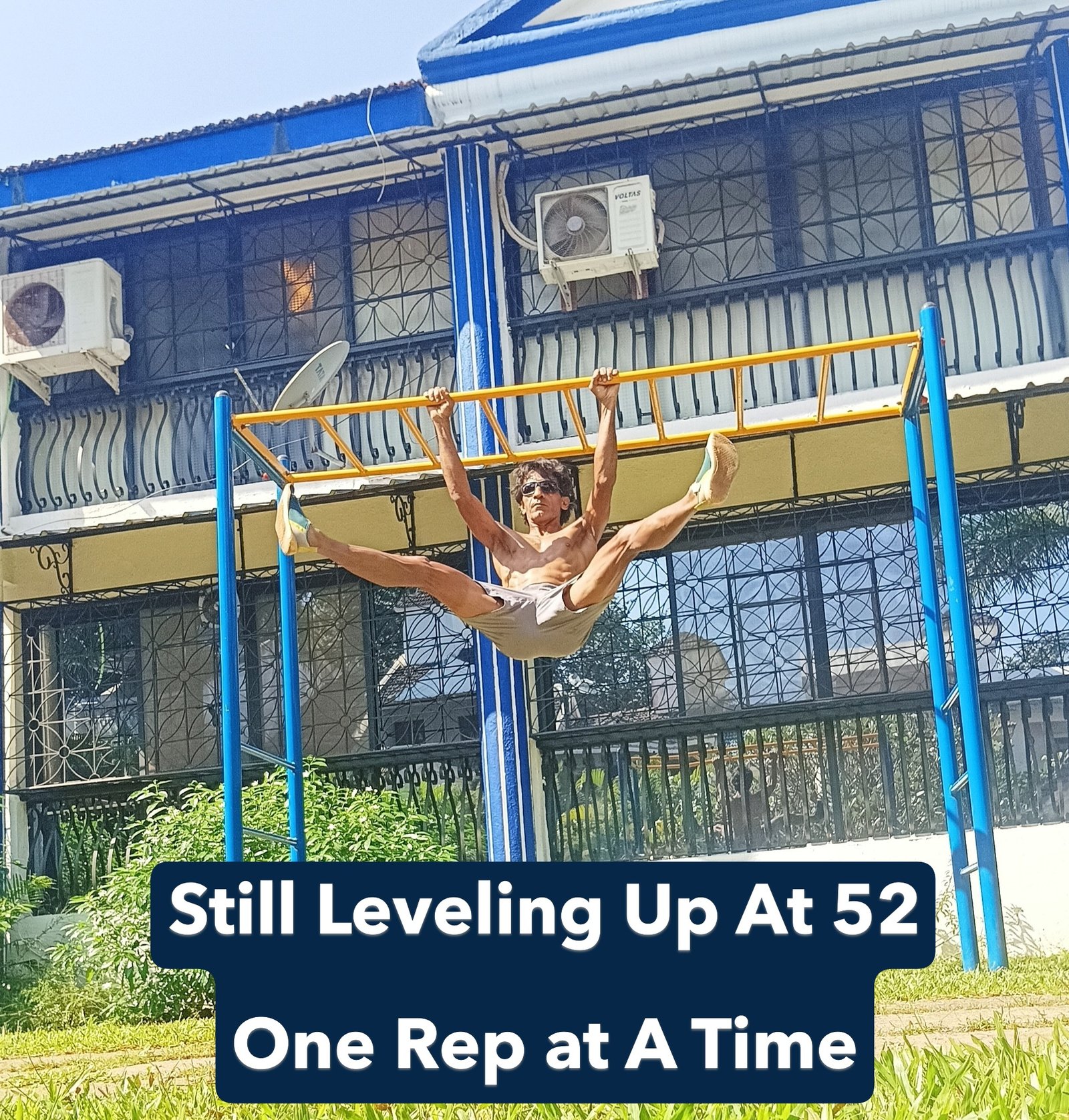
🏊 At 52, I run every day, swim well, and play recreational sports whenever I get the chance. I love to sprint and chase the frisbee – throw it long, even against the wind. I still find ways to level up in small, deliberate steps. Whether it’s adding a few extra miles, increasing my swimming pace, or working toward an extra pull‑up, these incremental challenges keep me motivated.
Over the past 17 years, I’ve stayed consistent with running, and I feel genuinely happy when people tell me they started running after seeing me do it. I helped them remove the mental blocks created by injury fears after 40. That ripple effect proves that persistence not only transforms your own life but inspires others to begin their journey too.
Confidence grows as you become more aware of your body and keep perfecting technique. These incremental challenges prove that progress after 40 is not only possible but deeply rewarding.
Know Your Fears, But Don’t Let Them Rule Your Life
Injury fears after 40 are valid, but over‑caution is progress‑killing. Embrace smart progression, respect limits, and keep challenging yourself. Your body is capable of more than your fears allow – train it wisely, and it will reward you.
The path forward is not reckless risk‑taking, nor is it hiding behind fear. It’s about finding the middle ground: respecting your body, listening to its signals, and steadily pushing past comfort zones. When you do, you’ll discover that fitness after 40 is not just about staying active – it’s about thriving, inspiring, and proving to yourself that age is no barrier to your fitness goals and good health.
Final Note – Fear Informs, but Progress Transforms
I hope this post serves as a support system for anyone hesitating to take the first step or feeling stuck at a mental block. Progress after 40 is not only possible – it’s deeply rewarding when you embrace consistency, smart progression, and resilience.
If this message resonates with your life, I’d love to hear from you. Please leave a comment and share your own journey – your story might inspire someone else to begin theirs. Now go out there, trust your body, respect your limits, and enjoy your workouts.
Disclaimer
If you are injured, it does not mean you have to push through pain – but it also doesn’t mean you must stop your workouts altogether. If you’re unsure of what to do next, speak to a physiotherapist. There is always a strength‑friendly workout that can help you get back on track safely.
You must also learn to become aware of even the small changes in your form while exercising, running, swimming, playing racket sports, or doing any physical activity. Small niggles are your body’s way of signaling that something needs attention. If you address the issue early, you can prevent that niggle from developing into a serious injury.
Want to dive deeper? Read my post on common running injuries after 40 and how to avoid them for practical tips.
You don’t have to make drastic moves to overcome injury fears after 40. If you are trying something new, learn about the progressions and take a systematic approach that allows your body to adapt safely. The key is persistence: we cannot give up, no matter what. There is always a way to level up – even if it means taking a couple of steps back today and returning to the basics.
Ready to turn your blogging ideas into science‑backed, engaging blog posts that readers love?
 Chat With Nady on WhatsApp
✍️ Explore Our Blog Writing Services
Chat With Nady on WhatsApp
✍️ Explore Our Blog Writing Services