
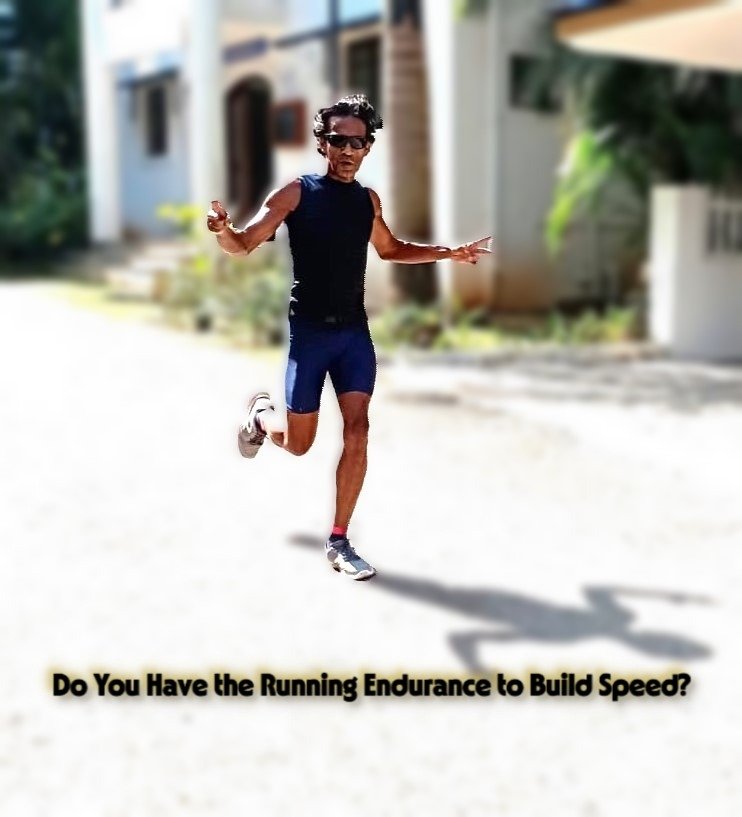
- Running for Beginners: Intro
- Running for Beginners: Start with Endurance
- Running for Beginners: Establish Consistency
- Beginner Runner’s Checklist – Basic Running Gear That Support Consistency
- Running for Beginners: Introduce Speed Gradually
- Running for Beginners: Balance Routines with Recovery
- Running for Beginners: Adopt Running into Your Life
- Running for Beginners: Final Word
Running for Beginners: Intro
This question pops into the minds of almost every beginner runner: Should I run fast or should I run far? That’s the heart of running for beginners – learning how to balance distance and speed while respecting your body’s starting point.
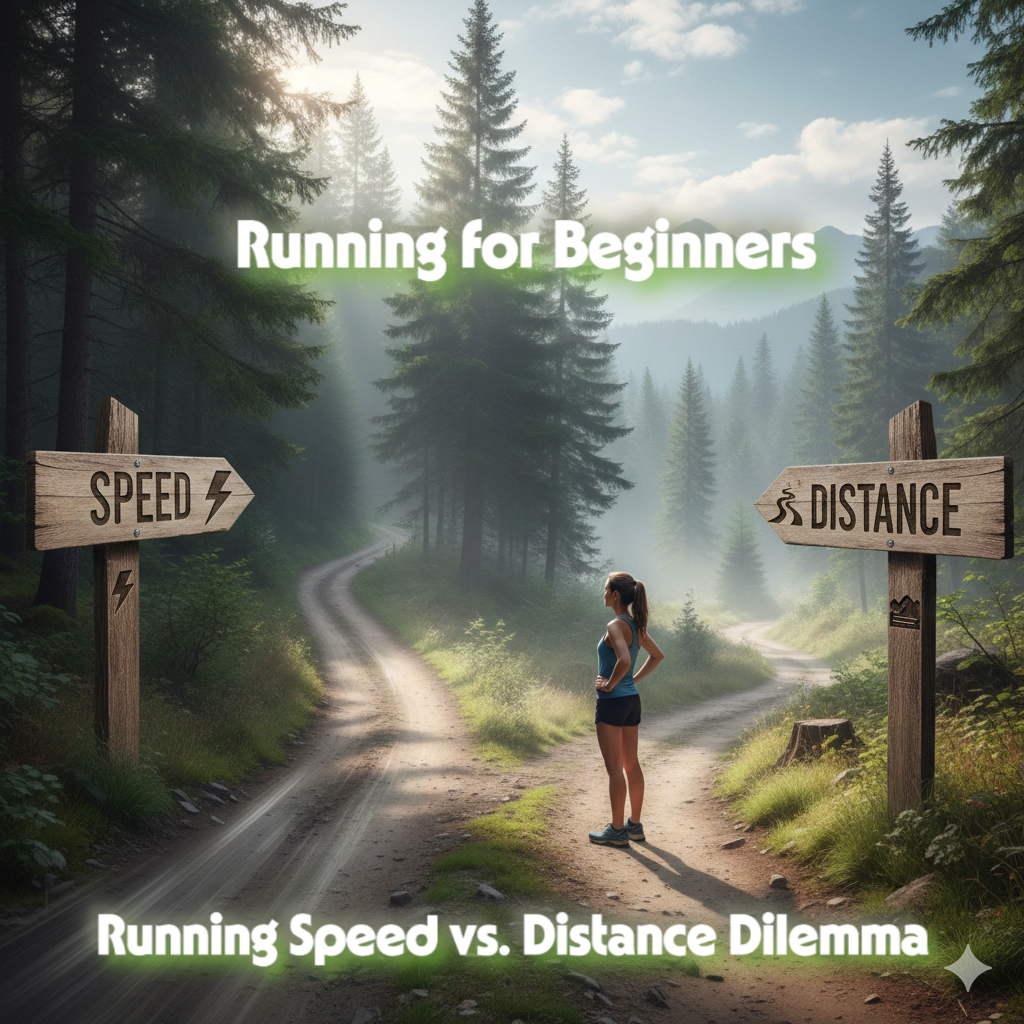
If you ask search engines or AI tools, you’ll often get a generic answer: long distance builds endurance, fast running builds strength. While technically true, it oversimplifies the reality. Life isn’t black and white, and neither is running. We’re humans, not machines – our schedules, energy levels, and recovery capacity all play a role.
So, let’s decode how to start your running journey smartly.
Time Matters
It takes more time to cover more distance. If you’re cramped for time, you may conclude that speed is the solution – get your workout done quickly without investing too much time. But is running fast really a practical way to begin?
If you haven’t been working out for an extended period, you must follow the rules of running for beginners. You may experience a short progression curve, but it’s essential to start with the fundamentals. Begin at a gentle pace, because running fast too soon can do more harm than good. Your body may not be prepared to handle the rigors of hard impact, and pushing yourself early can lead to injury or burnout.
Assess Your Fitness Level
When you ask yourself, “Am I supposed to push for distance or chase speed?” the first step is to honestly assess your current fitness level. What feels “long” or “fast” is deeply personal.
- For one beginner, 20 minutes of easy running might feel like a marathon.
- For another, running a few kilometers at a steady pace might already be manageable.
The key is to start where you are, not where you think you should be. Running is a personal journey, and smart beginnings are about respecting your body’s current capacity.
The Truth About Distance vs. Speed
Both distance and speed matter – but it’s not practical to chase them both at the same time. Your body needs preparation to achieve either goal, and that preparation may take weeks or even months.
- Endurance first creates the foundation for speed later.
- Trying to force both simultaneously often leads to frustration, fatigue, or injury.
So, Here’s the Plan
This is where we break down the beginner’s roadmap: start with endurance, establish consistency, introduce speed gradually, balance with recovery, and finally, adopt running into your lifestyle.
Running for Beginners: Start with Endurance
Make Time for Your Health
If you evaluate your daily schedule honestly, you can usually carve out at least 40 minutes for health and fitness. Running doesn’t demand endless hours – it demands consistency. Think about how much time slips away scrolling social media or watching TV. Often, “time constraints” are more excuse than reality. If you want it badly enough, you will find a way.
Begin with Easy Running
Start with 20-30 minutes of easy running at a conversational pace, aiming for 3-4 sessions per week. Surround each run with:
- 10 minutes of warm‑up (dynamic stretches, mobility drills, or brisk walking).
- 10 minutes of cool‑down (gentle walking and static stretches).
If you’re returning to fitness after years of a sedentary lifestyle, even this stage may feel challenging. That’s normal. Endurance is built gradually, and early discomfort is simply your body adapting to a new demand.

Listen to Your Body Signals
In the initial days, you may feel frequent signals – fatigue, soreness, or resistance. Some are genuine, while others are “false alarms” from your nervous system trying to protect you. Learn to distinguish between the two:
- Genuine strain: sharp pain, persistent discomfort, or swelling → slow down or stop.
- Adaptation signals: mild soreness, heavy legs, or shortness of breath → these often fade as your body adjusts.
If the strain feels too much, slow down or switch to walking. There is no shame in walking – it’s part of the journey. Remember: we live to fight another day.
Endurance as Your Base
Endurance is the foundation of running. Focus on time on feet rather than distance or pace. This approach builds:
- Aerobic capacity – your body’s ability to use oxygen efficiently.
- Connective tissue strength – tendons, ligaments, and joints adapt to impact.
- Mental resilience – confidence grows as you sustain effort longer.
Your main focus should be on developing a running form that allows energy to flow freely through your kinetic chain. Efficiency comes before speed or distance. Pay attention to:
- Foot strike direction: land lightly, avoid heavy thuds.
- Heel lifts: smooth, controlled, not exaggerated.
- Torso and shoulders: upright posture, relaxed shoulders.
Quick Tip on Foot Strike
A loud thudding sound when your foot hits the ground is a red flag – it means excess impact. But overcompensating with exaggerated knee bends to silence the thuds is equally harmful. Both extremes can lead to injuries in the ankles, knees, hips, or lower back.
The goal is to find a natural form that allows kinetic energy to flow without overloading any single joint. Think of it as harmony in motion – light, efficient, and sustainable.
Running for Beginners: Establish Consistency
Why Consistency Matters
In the initial stages of running, consistency is more important than distance or speed. Showing up regularly builds a foundation that allows intensity to grow naturally over time. Chasing intensity too soon – without proper body preparedness – can lead to injury setbacks or even bring your running routine to a grinding halt.
Consistency is the quiet force behind progress. It’s not glamorous, but it’s what transforms running from a challenge into a lifestyle.
Running for Beginners – Motivation vs. Discipline
Motivation is a wonderful spark, but it’s not reliable – you won’t feel motivated every day. That’s where consistency steps in. Discipline hardwires running into your lifestyle so that you show up regardless of mood: happy, sad, anxious, stressed, or even lazy.
Over time, you’ll discover that running becomes a solution rather than a burden. It clears your head, balances your emotions, and gives you a sense of control. Consistency teaches you to lean on the run itself as therapy, not just as exercise.
Tracking Progress
Consistency allows you to track your sessions and notice gradual improvements in stamina, comfort, and recovery. Even small wins – like running a little longer without fatigue or finishing a session feeling stronger – are proof that your body is adapting.
Quick Tip for the Future
You’ve decided to build endurance first, which is the smartest approach. But remember, strength training cannot be far behind. Eventually, endurance and strength must go hand in hand.
Strength work (bodyweight exercises, resistance training, or mobility drills) supports your running by:
- Improving posture and running form.
- Reducing injury risk.
- Enhancing power and efficiency.
Think of strength training as the support system for developing your endurance base – it keeps you resilient as mileage increases.
Beginner Runner’s Checklist – Basic Running Gear That Support Consistency
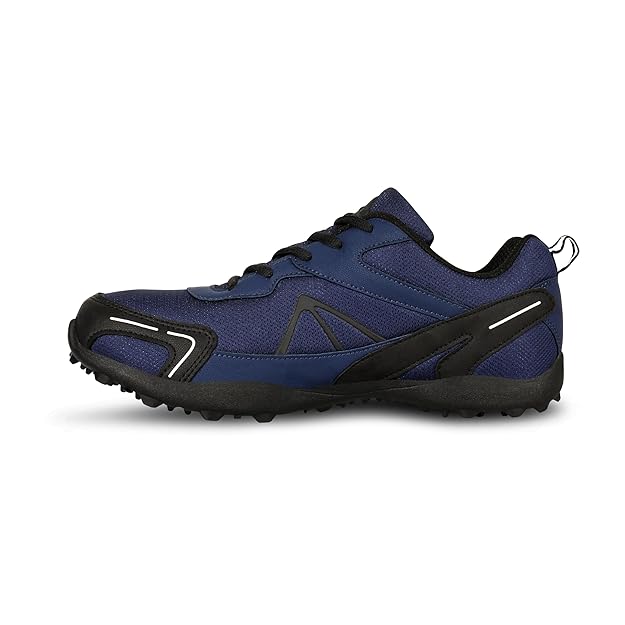
Running Shoes – The right pair of shoes can make or break your running journey. Look for lightweight, cushioned options that match your gait to reduce impact on joints and prevent injuries. A good fit ensures comfort and confidence, whether you’re walking, jogging, or tackling your first 5K.
Run Tracker / Smartwatch – Tracking your runs helps you stay consistent and motivated. A smartwatch or fitness tracker monitors pace, distance, and heart rate, giving you real‑time feedback and progress insights. It’s like having a coach on your wrist, guiding you toward steady improvement. Beyond personal tracking, many devices also connect you to running communities and expert guidance – letting you share progress, join challenges, and learn from seasoned runners worldwide.
Moisture‑Wicking Apparel – Sweat is inevitable, but discomfort doesn’t have to be. Moisture‑wicking fabrics pull sweat away from your skin, keeping you dry and reducing the risk of chafing and rashes. Proper running attire also helps prevent skin irritation that can lead to painful abscess formation, especially in areas prone to friction like the thighs and underarms. Lightweight and proper fitting gear regulates temperature and keeps you focused on your run instead of your clothes, making it both a comfort and a health essential.
Reusable Water Bottle – Hydration is non‑negotiable for performance and recovery. If you’re running for more than 30 minutes, this simple yet vital tool becomes essential. Avoid single‑use plastic bottles, as they contribute to environmental damage and undermine sustainable habits. Carrying a reusable bottle ensures you can sip regularly, whether on a run or throughout the day. It’s eco‑friendly, cost‑effective, and a powerful way to build lasting healthy routines while protecting the planet.
🏃 Running Gear – Our Top Picks on Amazon
As a runner who hits the road daily with passion and discipline, I know firsthand how the right gear can elevate your fitness, boost performance, and safeguard your health. Every mile reinforces that safety, comfort, and progress tracking are non‑negotiable. That’s why I’ve handpicked this selection of running shoes and watches – not as a writer, but as a fitness enthusiast who lives the journey. Each product has been carefully evaluated for materials, design, ergonomics, user reviews, and brand trust, so you can invest with confidence. Explore these curated running essentials and let them power your running story, whether you’re chasing your first 5K, building endurance, or running simply for the joy of health and movement.
Please click on the button again to continue reading the guide on Running for beginners. Important part about the process of building your running speed explained below.




Running for Beginners: Introduce Speed Gradually
Running for Beginners – When to Add Speed
Once your body has adapted to steady endurance training – typically after 6–8 weeks of consistent easy runs – you can begin to introduce short bursts of faster running. This doesn’t mean sprinting all‑out; it means sprinkling in controlled efforts that complement your base:
- Stride bursts: 20-30 seconds of quicker running inserted between segments of your easy run.
- Pickups: Gradually increase pace throughout the session, finishing with a short burst of energy in the last minute or two.
These short efforts wake up your muscles and nervous system without overwhelming your body. They improve coordination, stride mechanics, and efficiency, while keeping the overall run manageable.
Think of them as playful accelerations rather than tests of speed. The goal is not to exhaust yourself but to gently teach your body how to move faster. Over time, these small injections of speed will prepare you for more structured workouts like intervals or tempo runs.
Why Speed Gain Must Be Gradual
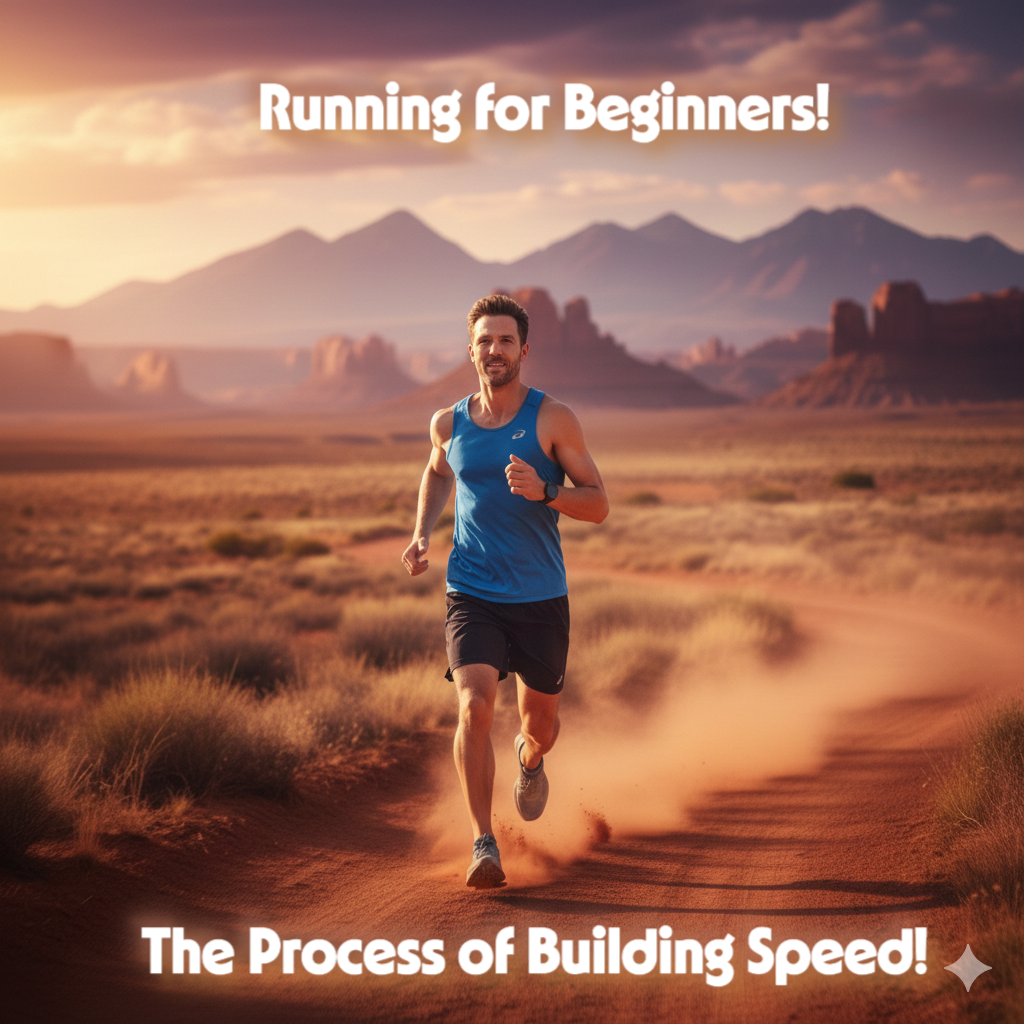
Speed places higher demands on your muscles, joints, and nervous system. You cannot force your body to sustain it for long periods without preparation. Instead, you’re teaching your body to adapt:
- Muscles learn to contract more efficiently.
- Nervous system improves coordination and firing patterns.
- Kinetic chain (hips, knees, ankles, core) strengthens to handle impact and transfer energy smoothly.
To support this, incorporate movement‑specific drills such as high knees, butt kicks, skips, and bounding. These drills build the mechanics needed for faster running.
Running for Beginners – The Process of Building Speed
Just as you spent weeks building endurance, you’ll need time to build speed. Think of it as a second phase of training:
- Start playfully – speed should feel fun, not punishing.
- Avoid forcing yourself into suffering – consistency matters more than intensity.
Over time, structured speed workouts (intervals, tempo runs, hill sprints) can be added, but only once your base is strong.
The Reward of Speed Training
Chasing a personal best time is exciting and motivating. But proper speed training isn’t about one‑off achievements – it’s about being able to run faster consistently and safely. That’s what makes you resilient and keeps progress sustainable.
Running for Beginners: Balance Routines with Recovery
Running for Beginners – The Role of Recovery
Recovery isn’t just about taking a break – it’s where the real progress happens. Every run subjects stress on your muscles, joints, and nervous system. The adaptation that makes you stronger, faster, and more resilient occurs after the run, during recovery.
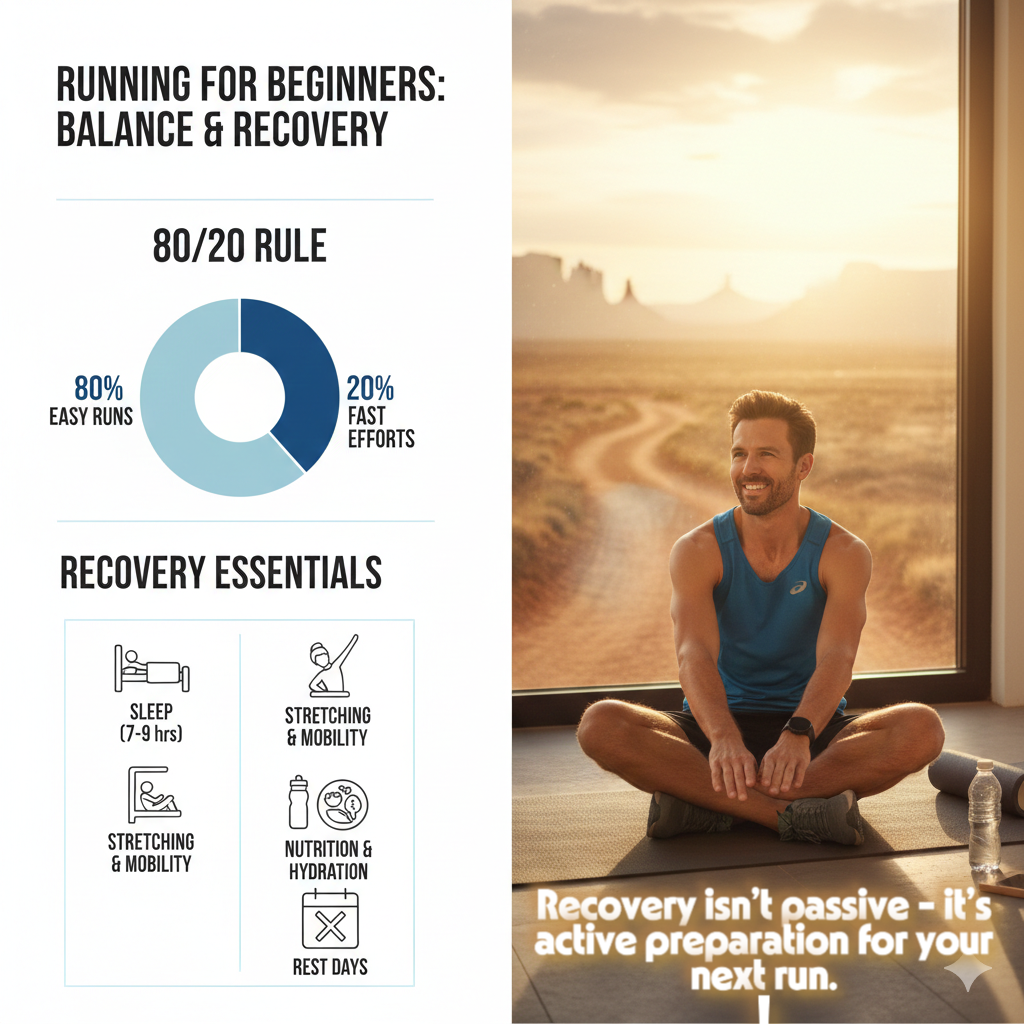
Running for Beginners – The 80/20 Rule
Many runners follow the 80/20 principle:
- 80% easy runs at a conversational pace.
- 20% faster efforts such as strides, pickups, or intervals.
This balance helps regulate heart rate, prevents overtraining, and ensures that speed work enhances rather than undermines endurance.
Recovery Essentials
Your running capacity depends on how well you recover. Prioritize:
- Rest Days – allow muscles, tendons, and connective tissues to repair. Training stresses the body; rest is when adaptation and growth actually happen.
- Stretching & Mobility – lengthened muscles keep joints supple and reduce stiffness. Dynamic mobility before runs and static stretching after runs help maintain range of motion and prevent tightness.
- Sleep – the most powerful recovery tool. Aim for 7-9 hours daily. A practical hack: 7 hours at night plus a short 1‑hour nap during the day can accelerate recovery, improve energy, and enhance performance.
- Nutrition & Hydration – fuel your body with balanced meals rich in protein, complex carbs, and healthy fats. Proper hydration supports tissue repair, regulates temperature, and maintains endurance. Important rule of running for beginners is to think of food and fluids as part of your training plan, not an afterthought.
Running for Beginners – Adjusting to Your Body’s Signals
If your body takes more than a day to recover, plan runs on alternate days and gradually build recovery capacity. Use the in‑between days for complementary activities:
- Strength training – bodyweight or resistance exercises to support running mechanics.
- Mobility drills – improve range of motion and reduce injury risk.
- Swimming or cycling – low‑impact cardio that maintains fitness while giving joints a break.
Running for Beginners – Recovery Routine Example (Weekly Plan)
Day 1 – Easy Run (Endurance Focus)
- 20-30 minutes run at conversational pace.
- 10 minutes warm‑up + 10 minutes cool‑down.
- Stretch lightly after.
Day 2 – Recovery / Strength
- Rest from running.
- 20-30 minutes of bodyweight strength (squats, lunges, planks).
- Optional mobility drills or yoga.
Day 3 – Easy Run + Strides
- 20 minutes easy running.
- Add 3-4 stride bursts (20-30 seconds faster running).
- Cool down with walking and stretching.
Day 4 – Recovery / Cross‑Training
- Swimming, cycling, or brisk walking for 30-40 minutes.
- Focus on low‑impact cardio to keep joints fresh.
Day 5 – Endurance Run (Longer Session)
- 30-40 minutes at easy pace.
- Prioritize “time on feet,” not speed.
- Hydrate well and refuel after.
Day 6 – Recovery / Mobility
- Rest or light stretching.
- Foam rolling or yoga to release tightness.
- Short nap if possible (Recovery hack: 7 hours at night + 1 hour daytime).
Day 7 – Optional Run or Active Recovery
- If feeling fresh: 20-25 minutes easy run.
- If fatigued: walking, stretching, or complete rest.
Final Note on Recovery
Recovery ensures you stay injury‑free, motivated, and consistent. Think of it as the invisible training partner – without it, endurance and speed cannot coexist sustainably. Smart runners don’t just train hard; they also recover hard.
Running for Beginners: Adopt Running into Your Life
Flexibility is Key
Some weeks you’ll have time for longer runs, other weeks only short sessions. Life will always bring situations that challenge your schedule, especially as we move through our 40s and beyond. The smart approach is to adapt; whether it’s a short run or a long one, the time spent on your feet counts.
Running doesn’t demand perfection – it demands persistence. Every step adds to the foundation, and over time, running becomes less of a workout and more of a lifestyle.
Running as Lifestyle
We make do with what we have until running becomes something we cannot live without. Smart running is about being flexible – listening to your body, respecting your schedule, and finding joy in the process.
I love running because it reflects who I am when no one is watching. Out there, I may be alone, but I am never lonely. Running is my time, my ritual, and the end result of each session is nothing short of happiness.
The Deeper Reward
Adopting running into your life means more than fitness gains:
- It becomes a stress release when life feels heavy.
- It becomes a confidence builder when you push past limits.
- It becomes a companion that teaches resilience, patience, and joy.
Running is not just about speed or distance – it’s about freedom, consistency, and the quiet satisfaction of knowing you showed up for yourself.
Running for Beginners: Final Word
Running for beginners isn’t about choosing far or fast – it’s about starting smartly and allowing your body to adapt to its new role. Build endurance first, add speed later, and let recovery guide your journey.
The smartest runners aren’t the ones who chase extremes. They’re the ones who stay consistent, resilient, and joyful in the process. Running is not a race against others – it’s a practice of showing up for yourself, day after day.
If this philosophy resonates with you, join our mission to help more beginners become fitter, healthier, and stronger through resilience and recovery. Together, we can make fitness freedom a lifestyle, not a struggle.
🏃 Running Gear – Our Top Picks on Amazon
As a runner who hits the road daily with passion and discipline, I know firsthand how the right gear can elevate your fitness, boost performance, and safeguard your health. Every mile reinforces that safety, comfort, and progress tracking are non‑negotiable. That’s why I’ve handpicked this selection of running shoes and watches – not as a writer, but as a fitness enthusiast who lives the journey. Each product has been carefully evaluated for materials, design, ergonomics, user reviews, and brand trust, so you can invest with confidence. Explore these curated running essentials and let them power your running story, whether you’re chasing your first 5K, building endurance, or running simply for the joy of health and movement.
Disclosure: This post contains affiliate links. As an Amazon Associate, I earn from qualifying purchases. This helps support the site at no extra cost to you.
Want professional content writing services to turn your topic ideas into engaging blog posts that your target readers love?
 Chat With Nady on WhatsApp
✍️ Explore Our Blog Writing Services
Chat With Nady on WhatsApp
✍️ Explore Our Blog Writing Services