
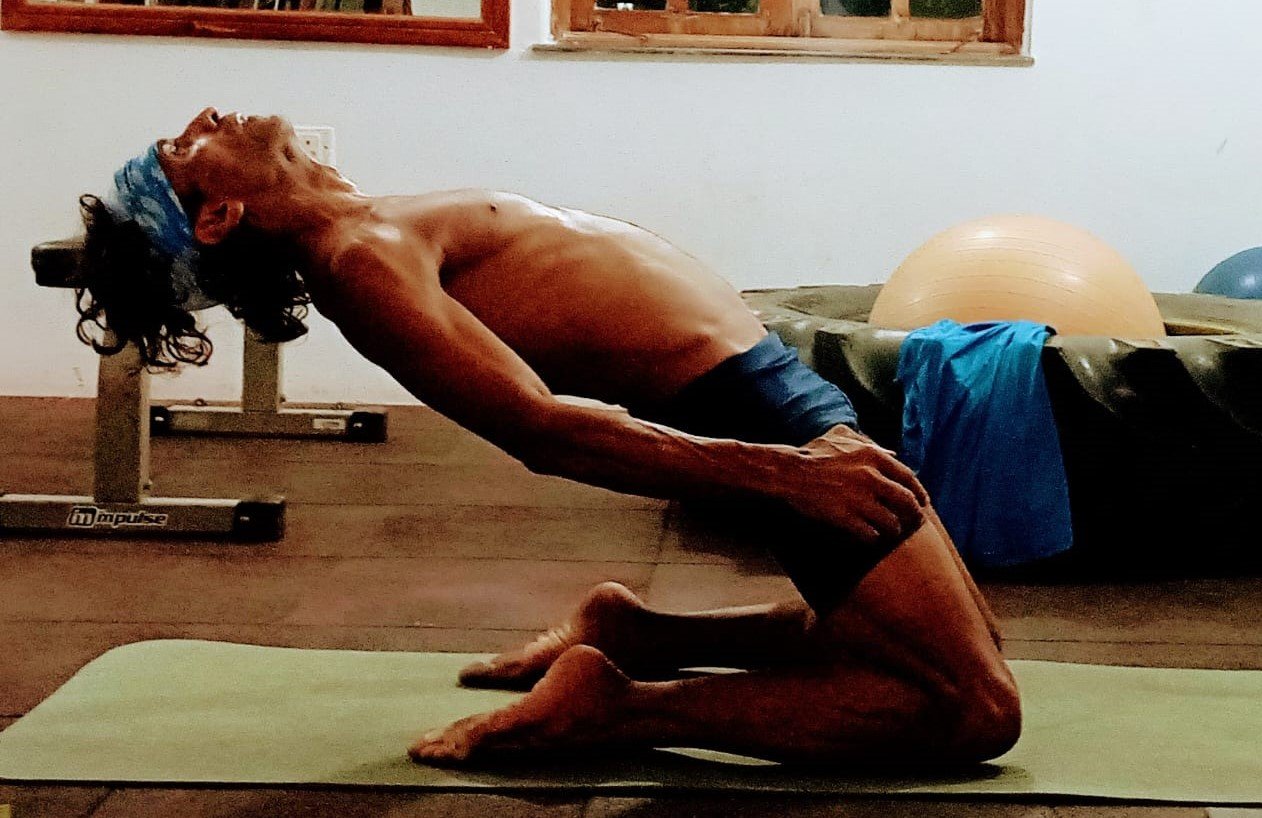
Aging is not optional, but healthy aging is in our hands. The best way to achieve this is by maintaining physical fitness as we age. While it can be quite a challenge after you cross 40, it is certainly not impossible. Runners over 40 face specific hurdles, such as the natural deterioration of joints and muscles, wear and tear of connective tissues, and a dip in endurance. In this post, we shall discuss the transformative benefits of Yoga for runners.
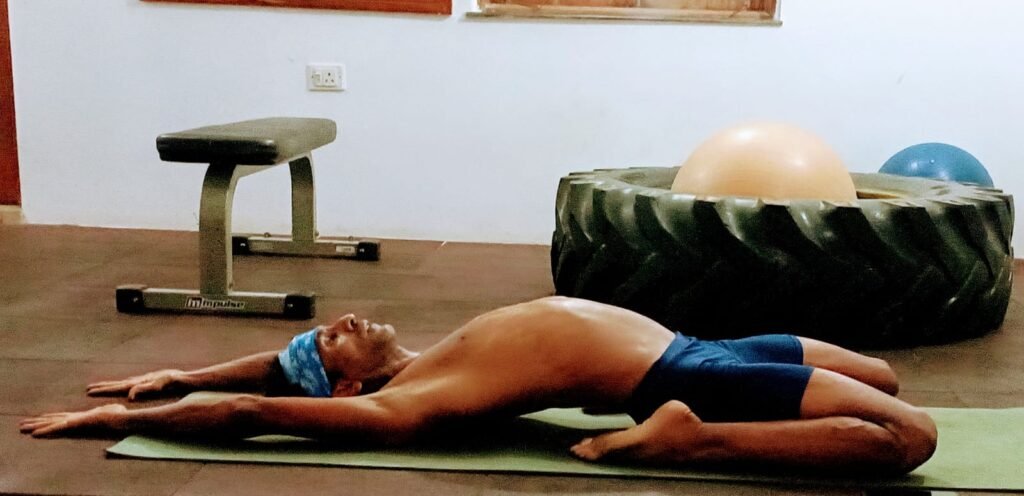
Running is one of the best cardio workouts, but you cannot sustain it long-term without dedicated strength and flexibility training. Flexibility is crucial to improve joint mobility and allow a complete range of movement. Yoga can be a game-changer for runners over 40 because of its multiple, transformative benefits.
How did it start for me?
Besides running six days a week in the mornings, I used to supplement my routine with three strength training sessions and two swimming sessions every week in the evenings. Because I was able to run without any difficulties and my muscles were in great shape, I simply didn’t see the need to improve my flexibility.
To be honest, I was not a great fan of Yoga; I felt it was too slow and boring. The idea of staying on a mat and holding stretching poses did not appeal to me, even though I watched my wife practicing it every other day. Looking back, I realize I was ignorant and had rejected the practice before even trying it.
Then came the lockdown. Gyms and swimming pools were closed to the public, and I needed to figure out how to fill my evenings. After a few restless nights, I decided to give Yoga a try. It was better than doing nothing and feeling bad about it. I spoke with my wife, and she suggested I start with a few hip-opening poses.
Yoga for runners – Reality check 1
The first thing I learned was that my flexibility was actually quite poor. It was a humbling experience; I had assumed I was flexible because I ran and engaged in physical activities daily. I could perform basic post-run stretches like squats and lunges, and with daily practice, those movements became easier. However, I realized those stretches weren’t pushing my range of motion; I was merely training within my comfort zone.
You only truly learn this when you dedicate an entire session to stretching, which is exactly what Yoga offers. Initially, I couldn’t even perform a simple forward fold to touch my toes. I quickly learned that these stretches cannot be forced – doing so is agonizingly painful and a fast track to injury. To progress toward a target pose, you must embrace specific static drills and allow the body to adapt over time.
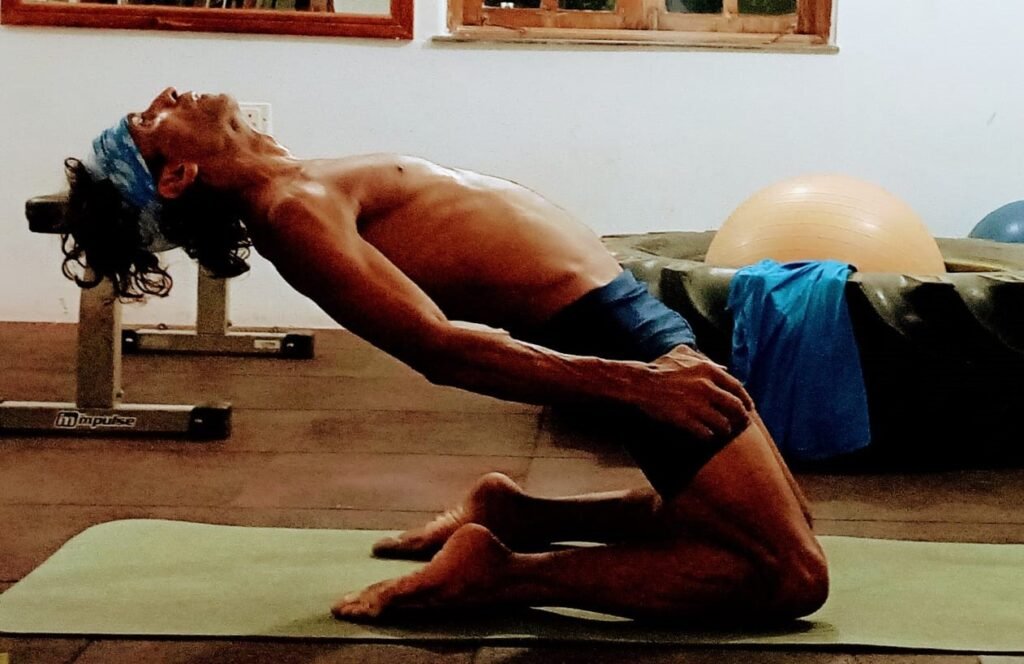
I struggled with ‘Adho Mukha Svanasana’ (Downward-Facing Dog); I couldn’t hold the pose without curving my lower back, no matter how many times my wife corrected my form. Still, I persisted three days a week simply because the lockdown left me with few other options. Slowly, changes began to occur in both my body and mind – changes I could no longer overlook. The practice was finally working.
Personalized Guidance for Progress
The beauty of Yoga is its accessibility; you can practice it anytime, anywhere, though a high-quality mat certainly helps. When I started, I didn’t enroll in a formal training course. Instead, my wife introduced me to a few foundational poses, and I supplemented that by watching instructional videos on YouTube and Facebook.
However, having a guide is invaluable. Without external feedback, it is easy to repeat form errors without realizing it. Fortunately, my wife was there to point out my mistakes and offer corrections. Despite my conscious efforts to improve, progress was gradual. For instance, it took considerable time and awareness to finally keep my lower back straight during the Downward Dog pose.
Today, I follow several accomplished Yogis on Instagram and Facebook, and their insights have been instrumental to my growth. Whether you choose to be self-taught or train under the watchful eye of a professional, the options are endless. The internet offers a wealth of resources, from online institutes to specialized Yoga apps that provide structured progressions and personalized sessions.
Ultimately, there are multiple paths to beginning your practice. You can choose a method that fits your schedule, situation, and convenience. Whatever you decide, the most important step is to start today – because “Tomorrow” never truly arrives.
The Surprise Benefit – Total Rehabilitation
I had been carrying a persistent right knee injury for a year, picked up while playing cricket on a concrete court. I did everything I could to strengthen the surrounding muscles and rehabilitate my range of motion, yet a slight “niggle” remained whenever I ran on uneven surfaces. I managed to keep running by making minor gait adjustments to avoid discomfort, focusing intensely on maintaining my form until the very last step.
Then came the “Yoga magic.” Even though my initial progress felt slow, I began noticing a direct impact on my running performance. Specifically, the hip-opening stretches worked wonders for my knee; eventually, I reached a day where those mid-run adjustments were no longer necessary. The niggle was simply gone. It took about four to five months of consistent Yoga to achieve complete rehabilitation.
Yoga allowed me to activate the smaller stabilizing muscles and connective tissues that traditional strength training and running simply couldn’t reach. It felt as though these areas had been dormant for so long they had become tight or started to deteriorate. Yoga reversed that trend. I now know that at least one dedicated 60 to 70-minute session every week is essential. It acts as a total realignment program that is indispensable to me as a runner.
Yoga for runners – Cardio for Yogis
I have observed many practitioners who struggle with weight management despite a regular Yoga practice. Additionally, their movements often seem less fluid when they step into a physical sport outside their usual comfort zone. Just as Yoga or a dedicated stretching program can work wonders for runners, Yogis can greatly benefit by integrating cardio into their weekly routines.
Incorporating just two cardio sessions a week (which needn’t necessarily be running) can be transformative for yogis. You might choose cycling, swimming, or any other sport you enjoy. Furthermore, adding two sessions of resistance or strength training will provide the structural support needed for a truly well-rounded, functional body.
Yoga for runners – Reality Check 2
We are often awed by advanced Yoga techniques like splits and handstands, and it is natural to desire that level of mastery. However, it is vital to understand that this degree of flexibility isn’t achieved in days or months; many of these practitioners have dedicated years (some since childhood) to advance their craft.
Progress is intentionally slow and requires consistent effort. At times, it may feel as though you aren’t advancing because the changes are so subtle they are barely noticeable. Do not let the anxiety of a slow pace stall your practice; progress is happening beneath the surface, even when you can’t see it. The key is to learn to enjoy the process itself. Without that genuine enjoyment, motivation is easily lost. I have seen young athletes lose their ability to perform splits after just a few months of inactivity. For those of us over 40, physical deterioration happens even faster, which is precisely why I recommend Yoga as a non-negotiable tool for runners.

Embrace Reality With:
- Awareness: Acknowledging that limited flexibility directly restricts joint mobility and your full range of movement.
- Patience: Accepting that while Yoga is transformative, progress is slow and gradual but rewarding.
- Consistency: Committing to Yoga as a permanent lifestyle choice and not a temporary fix.
Naturally, you will see faster results with increased frequency or longer sessions, but it always comes down to consistency. I personally dedicate one 75-minute session per week. This single session is enough to help me maintain proper posture and form across my running, strength training, and swimming routines. As I’ve mentioned, Yoga is the essential realignment program that allows me to maximize my overall athletic performance.
Let’s check out the benefits of Yoga for runners more closely
Enhanced Flexibility:
One of the primary advantages for runners over 40 is the significant improvement in functional flexibility. The deliberate, mindful stretches in Yoga help release tension in chronically tight muscles and promote a broader range of motion. This is particularly crucial for aging athletes, as increased suppleness directly reduces the risk of common injuries like strains and sprains.
Improved Strength and Balance:
Yoga emphasizes bodyweight exercises that target both large and small muscle groups. This holistic approach enhances overall strength and improves balance, which are critical elements for runners over 40 navigating uneven terrain. Strengthening the core muscles, in particular, contributes to better stability and reduces the likelihood of falls and injuries.
Joint Health:
While running is an elite cardiovascular tool, it can be demanding on the joints as we age. Yoga’s low-impact nature provides an effective solution for maintaining joint integrity. The fluid movements and gentle traction help “lubricate” the joints and alleviate stiffness, promoting longevity in every runner’s journey.
Mind-Body Connection:
Yoga builds a solid mind-body connection through controlled breathing and intense concentration. I highly recommend it for stress and anxiety management, which, if ignored, can adversely affect athletic performance. The meditative aspect of Yoga enhances focus and mental resilience, making it easier to navigate the psychological “wall” of long-distance running.
Injury Prevention and Recovery:
The repetitive nature of running often leads to overuse injuries and muscular imbalances. Integrating Yoga into your routine helps address these asymmetries, promotes better skeletal alignment, and aids in the active recovery of strained tissues. This can significantly reduce the “downtime” caused by running injuries.
Optimized Oxygen Intake and Lung Capacity
Deep, controlled pranayama (breathing) techniques contribute to improved lung capacity. For runners over 40, maintaining optimal respiratory function is vital. Enhanced oxygen intake translates to better endurance and more efficient gas exchange, supporting sustained performance during long efforts.
Cultivating Calmness in a Chaotic World
Our lives are often chaotic, and balancing professional, personal, and social responsibilities is a constant challenge. We are frequently “trapped in our heads,” paying little attention to our breathing. Poor patterns, such as shallow chest breathing, can become a habit that invites health disorders like hypertension, stress-related illnesses, and a weakened immune system.
Sometimes, the best medicine is simply to slow down and breathe. Every Yoga session leaves me feeling calm and centered. I never imagined I could be drenched in sweat just by holding a pose and emerge with a sense of “silent confidence.” Your glutes may feel sore, but your mind will be super-relaxed. Yoga for runners isn’t just about the body – it works magic on the mind, too.
Yoga for runners – Conclusion
The benefits of Yoga for runners over 40 are both multifaceted and profound. From enhancing functional flexibility and core strength to safeguarding joint integrity and fostering a resilient mind-body connection, Yoga offers a truly holistic approach to athletic well-being.
Runners who integrate Yoga as a complementary discipline are significantly better equipped to overcome the unique physical and mental hurdles of the sport. This synergy is rapidly gaining popularity because Yoga has the potential to redefine the entire running experience – transforming it into a sustainable, injury-free, and deeply rewarding journey for the dedicated runners over 40.