
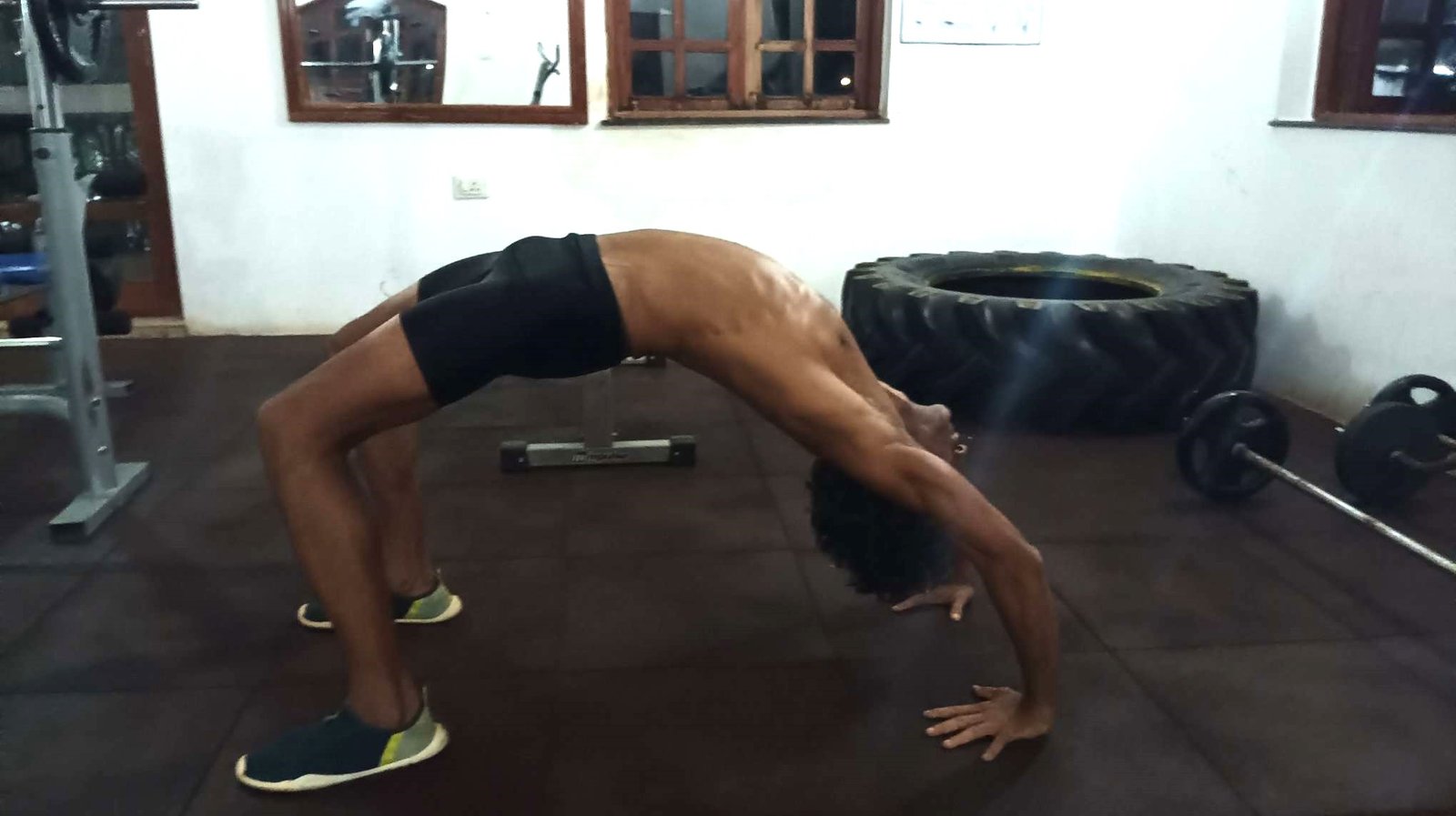
Running used to bring us pure joy as kids, but for many, that joy fades in their 30s. Life gets busy – career, business, marriage, kids’ education, travel, financial planning, investments. All of these are important, but too often health and fitness take a backseat while we chase them. By the time you reach your 40s, the signs start to show: muscle stiffness, back pain, reduced mobility. And to make matters worse, unhealthy lifestyle choices creep in—heavy meals, long hours hunched over computers, endless time on the couch with TV or mobile screens.
The combination of poor habits and lack of exercise inevitably takes a toll. For many, the wake-up call comes only when a doctor points it out. But you don’t have to wait for that moment—you can choose to act now.
Running isn’t just exercise – it’s reclaiming the joy your body once knew.
You cannot change the past, but the future can be different
What’s done is done. Now it’s time to reverse the trend and revive your health and fitness. Easier said than done, of course – bouncing back after 40 is challenging, especially if you’ve had a long gap without regular workouts. Muscles aren’t as strong as they once were, and joints lose mobility and range of motion.
That’s why you need to tread slowly, building strength and confidence step by step. Don’t expect to reverse your condition in a few days or weeks. Start with short sessions- 30 to 40 minutes a day – and aim for 5-6 days a week.
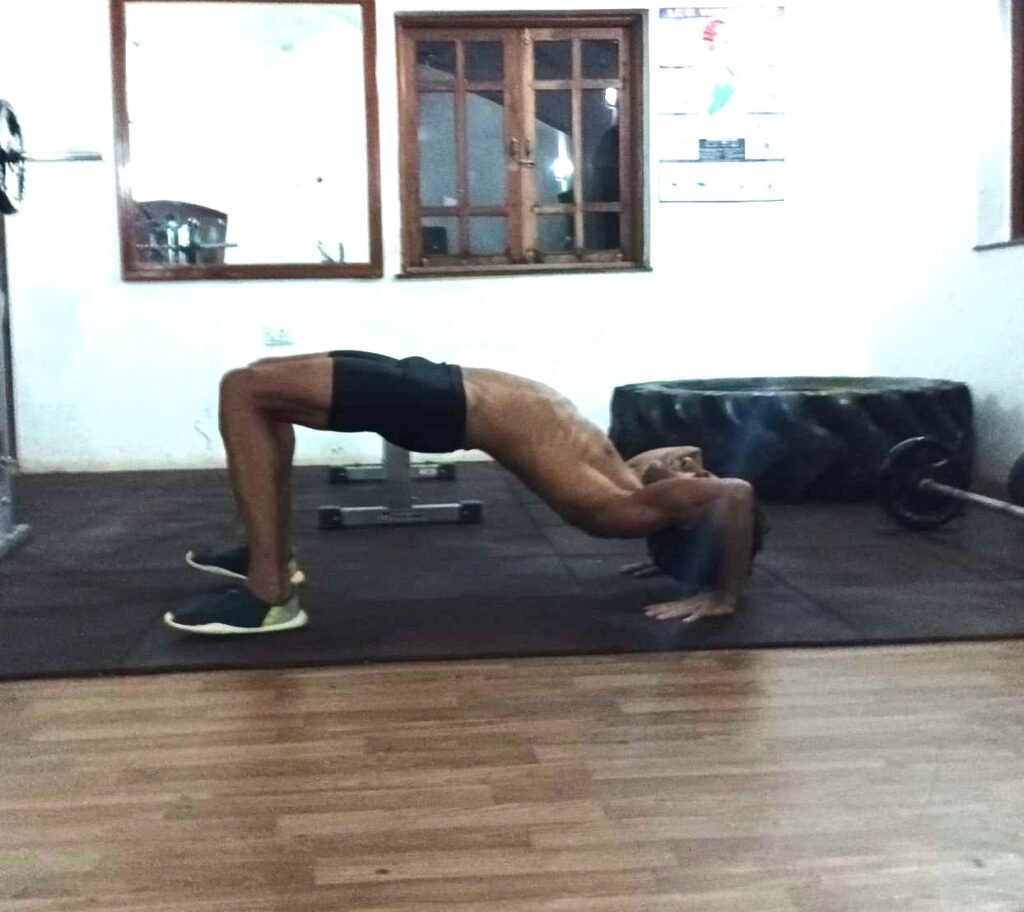
As your muscles and lungs grow stronger, your body will naturally ask for more. The key is not to overdo it and risk injury, which could set you back. Progress takes time, and consistency is everything. Remember: progression can slide backward if you stop showing up.
You can’t rewrite yesterday, but you can train today to transform tomorrow.
Running and back pain
Running is one of the best ways to stay fit, but it does place stress on the body. Soreness after a session is natural and usually fades with rest. With time, you’ll learn to distinguish normal impact pain from injury-related pain.
Some runners experience inflammation in the lower back muscles or joints. Sometimes it worsens and requires medical attention; other times it resolves on its own even if you continue running. Back pain, in most cases, is not a reason to stop – unless the injury is severe or unbearable. Muscle strains and minor tears are not uncommon, especially after 40.
Back pain in runners over 40 is often linked to overuse, poor form, tight muscles, or weak core strength. It’s not necessarily a signal to quit running, but rather a reminder to adjust your training and recovery. Always pay attention to your body, and seek medical help if pain persists or intensifies
Common Reasons for Back Pain After Running
If you’re starting fresh or returning to running after a long break, some pain is almost inevitable. The intensity varies from person to person, but soreness will be there – and it can worsen if you push too hard too soon. In most cases, running itself isn’t the root cause; underlying issues often trigger back pain.
- Weak Core Muscles – A weak core cannot absorb the repetitive load of running. This leads to fatigue, strain, or even injury to the spine. Strengthening deep core muscles (planks, bridges, Pilates-style exercises) is essential for stability and injury prevention.
- Poor Posture and Running Form – Running with poor posture – like a C-shaped arch in the back – places continuous strain on the lower spine. Overstriding or dragging your feet also worsens impact. Focus on upright posture, proper strides, and maintaining form until the last step.
- Poor Footwear – Worn-out or poorly designed shoes disrupt foot mechanics, which cascades upward to the hips and lower back. Invest in shoes designed for shock absorption and replace them every 2–4 months if you run regularly.
- Tight Muscles and Limited Flexibility – Sitting for long hours tightens hamstrings, hip flexors, and glutes. These imbalances pull on the pelvis and stress the lower back. Regular stretching and mobility drills are crucial to keep muscles supple.
- Overtraining and Lack of Recovery – Running too frequently without rest or recovery can overload muscles and joints. Recovery days, proper sleep, and active recovery (like yoga or swimming) help prevent chronic pain.
- Age-Related Changes – After 40, natural wear in discs and joints can make the spine more sensitive to impact. This doesn’t mean you should stop running – it means you should train smarter, with strength work and gradual progression.
Key Takeaway
Back pain after running is often a signal to adjust – not to quit. Strengthen your core, improve posture, stretch regularly, wear proper shoes, and respect recovery. If pain persists or worsens, consult a medical professional to rule out serious conditions.
Run smart, not just hard – your back will thank you.
When you need to consult a doctor or physio?
Running after 40 can be safe and rewarding, but certain conditions require professional assessment. Ignoring them can worsen injuries and delay recovery.
1. Joint Pain (Arthritis) – Arthritis is a common age-related condition that causes cartilage loss in the joints. Stressing brittle joints can lead to inflammation and back pain. If you suspect arthritis, consult a physician to understand your limits and get a tailored plan.
2. Herniated Disc – Spinal discs absorb shock while running, but they can weaken with age or injury. A herniated disc may cause pain or sciatica (radiating pain down the leg). In such cases, work with a physiotherapist, follow prescribed exercises, and switch to lower-impact activities like walking until recovery.
3. Sciatica and Nerve Compression – If pain radiates from your lower back into your legs, it could be nerve compression. This requires medical evaluation to prevent long-term damage.
4. Persistent or Sharp Pain – Normal soreness fades with rest. Sharp, worsening pain that lingers beyond a few days signals an injury. Seek medical help before continuing training.
5. Chronic Muscle Weakness or Imbalance – If your core, hips, or glutes feel persistently weak despite training, a physio can help identify imbalances and prescribe corrective exercises.
6. Stress Fractures or Severe Impact Injuries – Repetitive strain can cause micro-fractures in bones. If pain intensifies with each run and doesn’t ease with rest, consult a specialist immediately.
Key Takeaway
Back pain or joint discomfort doesn’t always mean you must stop running. It means you should listen to your body and find ways to adapt, or try other alternatives. Seek medical help when pain is sharp, persistent, radiating, or linked to underlying conditions. Professional guidance ensures you can keep running safely and sustainably.
Treatments for Back Pain
Back pain from running can often be managed with simple remedies, but knowing when to escalate care is crucial.
1. Home Remedies
- Hot or cold packs: Ice helps reduce inflammation in the first 24-48 hours, while heat relaxes tight muscles afterward.
- Gentle massage: Using pain-relief cream or oil can loosen muscles, but avoid pressing too hard on injured areas.
- Rest: Short periods of rest help reduce inflammation, but don’t stay inactive for too long.
2. Self-Care Tools and Drills
- Foam rollers or massage guns: Useful for loosening tight muscles, but only if used correctly to avoid aggravating injuries.
- Stretching and mobility drills: Gentle stretches for hamstrings, hip flexors, and glutes relieve tension on the lower back.
3. Rehabilitation
Once pain subsides, begin strengthening and mobility work. Start with short strides and low-intensity runs, gradually increasing duration and pace. Focus on:
- Core strengthening (planks, bridges)
- Hip and glute activation (lunges, squats)
- Flexibility training (yoga or dynamic stretches)
4. When to Seek Medical Help
- Pain persists beyond 3-4 days despite rest and home care
- Sharp or worsening pain that limits movement
- Pain radiating down the leg (possible sciatica)
- Numbness, tingling, or weakness in the lower body
In such cases, consult a physiotherapist or doctor for proper diagnosis and treatment.
Key Takeaway
Rest can ease inflammation, but movement and strengthening are essential for long-term recovery. Don’t ignore persistent pain – address it early so you can keep running safely.
Back pain prevention tips for runners
🔥 Always warm up – Never skip it. Warm-ups increase blood flow, loosen muscles, and prepare joints for impact.
🧘 Stretch regularly – Hamstring stretches once or twice a day, plus hip flexor and glute stretches to balance posture.
🧘♂️ Do yoga or mobility work – At least one session per week improves flexibility, posture, and spinal mobility.
🐢 Start slow – Begin each run at a gentle pace. Muscles need a few minutes to warm up before intensity.
🌱 Run on softer surfaces – Grass, tracks, or trails reduce impact stress. Gradually build strength for harder terrain.
💪 Strengthen your core – Planks, bridges, and rotational exercises stabilize the spine and absorb running impact.
🍑 Strengthen hips and glutes – Squats, lunges, and hip bridges prevent strain from shifting to the lower back.
👟 Check your footwear – Use cushioned running shoes and replace them every 2–4 months if you run regularly.
🧍 Maintain good posture – Upright back, shorter strides, and steady form until the last step of your run.
🌀 Cool down and stretch post-run – Gentle stretches after running prevent tightness and aid recovery.
🚴 Cross-train – Swimming, cycling, or strength training balance muscle groups and reduce repetitive strain.
💧 Stay hydrated and fuel properly – Good nutrition and hydration prevent cramps and stiffness.
🛌 Prioritize rest and recovery – Schedule rest days, sleep well, and use active recovery (like walking or yoga) to prevent overuse injuries.
✨ Key Takeaway
Back pain prevention is about preparation, strength, recovery, and consistency. Warm up, stretch, strengthen your core and hips, wear proper shoes, and respect rest days. These habits build resilience and keep you running strong after 40.
What I Think About Back Pain and Running
Back pain can happen to anyone for many reasons, but the risk is higher for those who sit long hours with poor posture. In fact, you’re more likely to hurt your back at your desk than while running – especially when reaching awkwardly to the side or behind you. A bad mattress or improper lifting of heavy objects can also trigger back pain.
Running itself can strain the back, particularly when going downhill. A sudden dip in the terrain or overly relaxed form lets gravity take over, and the impact cascades through the body into the spine. On the other hand, being too stiff while running slopes can also magnify the shock. The key is to stay strong yet flexible, engaging your core to absorb uneven terrain.
Most of the time, back issues catch you off guard. Training your mind to maintain form – even when you miss a step – is essential. Engaging your core muscles while running downhill reduces stress on both the back and knees.
Personally, I’ve never had severe back pain, only minor muscle tears that resolved in a day or two. What helps me stay resilient are consistent habits:
✨ My Routine for Back Health
🏃 Pre-run and post-run stretches (10–15 minutes each)
💪 Core training (leg raises, planks, bridges) to strengthen spinal support
🧘 Yoga (60–70 minutes once a week) for flexibility and mobility
🏊 Swimming (One-two sessions weekly) to strengthen upper back and lats
🪂 Hanging and bodyweight exercises for spinal decompression and overall strength
🛌 Sleep quality matters: A supportive mattress keeps your spine aligned and reduces morning stiffness.
🥗 Nutrition and hydration: Adequate protein, calcium, and hydration support muscle recovery and joint health.
⏱️ Rest and recovery: Scheduled rest days prevent overuse injuries and give muscles time to repair.
🧍 Posture awareness beyond running: Sitting, standing, and lifting correctly throughout the day is just as important as running form.
Key Takeaway
Back pain prevention isn’t just about running—it’s about lifestyle balance. Good posture, strong core, flexible muscles, proper recovery, and mindful training all work together to keep you running strong after 40.
🏋️ Useful Workouts to Strengthen Your Back Muscles
You can strengthen your back by training the supporting muscles – abs, glutes, hamstrings, shoulders, and hips. A strong support system keeps your spine stable and reduces the risk of injury.
🔑 Core & Strength Exercises
🔥 Planks and side planks build deep core stability.
🤸 Bridges and hip thrusts activate glutes and hamstrings.
🪂 Hanging leg raises strengthen abs and decompress the spine.
🛌 Sleeping leg raises provide gentle ab work that supports the lower back.
🔄 Lumbar rotation stretches improve spinal mobility.
↔️ Side flexions strengthen obliques and lateral stability.
💪 Push-ups engage shoulders, chest, and core for posture support
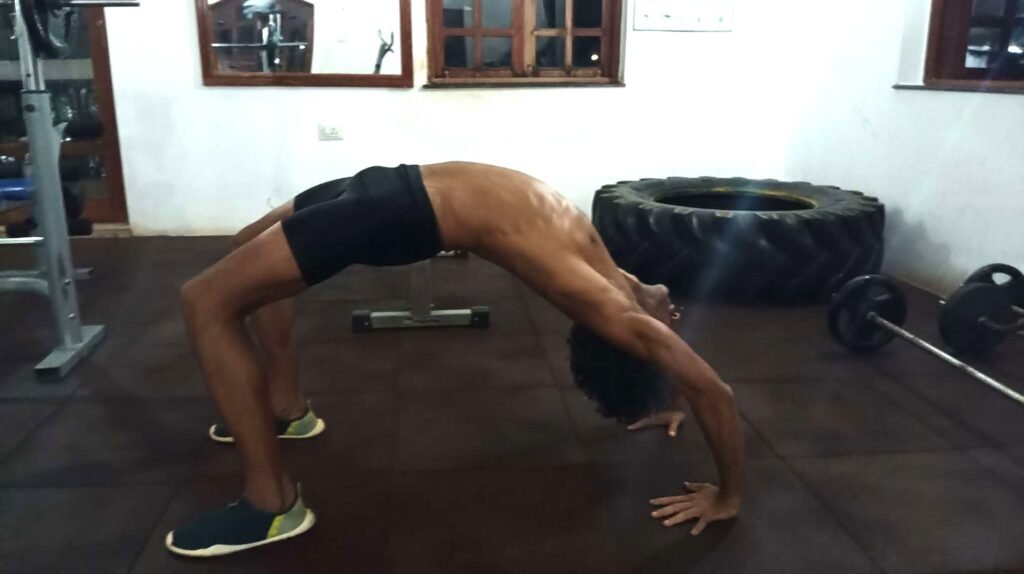
🌊 Cross-Training for Back Strength
🌊 Swimming builds scapula, rhomboids, and lats for upper-back strength.
🚴 Cycling strengthens legs and core while reducing impact.
🛶 Kayaking improves rotational strength and spinal stability.
🏓 Ping pong enhances agility and coordination.
💃 Dancing boosts flexibility and balance.
🧘 Yoga improves posture, mobility, and mind-body awareness
🦵 Protecting Ankles & Knees
Your ankles and knees are the first line of defense against running injuries. Strong knees and ankles act as shock absorbers, protecting your back from impact. Add calf raises, single-leg balance drills, and resistance band work to strengthen them.
💪 Shoulders & Upper Back
Strong shoulders and back muscles help maintain good form throughout a run. Pull-ups, rows, and resistance band exercises keep your posture upright and reduce fatigue.
✨ Key Takeaway
Running is an art that teaches you to understand your body. By complementing it with strength, flexibility, and cross-training, you’ll build resilience, protect your spine, and avoid serious back injuries.
Conclusion
🏃♂️ Running after 40 is not about chasing records – it’s about building resilience. Back pain, stiffness, or fatigue may show up, but they’re not barriers. Rather, they’re the signals telling you to train smarter, strengthen your support muscles, and respect recovery. Every stride becomes proof that you’re building strength for the years ahead.
✨ You can’t rewrite the past, but you can shape the future. With consistent effort, mindful workouts, and balanced recovery, running transforms into more than exercise – it becomes your daily declaration of vitality. Stay strong, stay flexible, and let every run remind you that your best days are still waiting to be lived.
Want professional content writing services to turn your ideas into engaging blog posts that your readers love?
 Chat with Nady on WhatsApp
Let’s build your authority in the fitness and health niche together.
A very good knowledge for fitness
Thank you 🙂